Maloclussion

Types of Malocclusion and the Consequences of Each

Malocclusions are common dental problems that affect almost every person in the world. In most cases, the degree of malocclusion is mild or moderate and hardly requires any intervention. However, some cases of malocclusion can cause a variety of problems in eating, speaking and general health. It is important for you to understand the bearable… Continue Reading Types of Malocclusion and the Consequences of Each

Smiling dentist with long dark hair in navy scrubs
Dr. Azy Nasiry
Dentist
Dentist in gloves examining a smiling woman's teeth in a dental chair
Smiling dentist with long dark hair in navy scrubs
Dr. Azy Nasiry
Dentist
Dr. Azy Nasiry is a cosmetic dentist at LA Dental Clinic in Los Angeles and a UCLA faculty member who teaches advanced cosmetic dentistry to practising dentists. She holds a Biomimetic Mastership from the Alleman Center, a certification held by only a small number of dentists in the United States, and developed the layered composite edge bonding technique the practice is known for. She has been treating patients in Los Angeles since 2008 and co-hosts the Smile Sisters Podcast.
Share Article:

Malocclusions are common dental problems that affect almost every person in the world. In most cases, the degree of malocclusion is mild or moderate and hardly requires any intervention. However, some cases of malocclusion can cause a variety of problems in eating, speaking and general health. It is important for you to understand the bearable types of malocclusion from the very serious ones so you can take the right steps to take care of it.

Classification of malocclusions:

Malocclusions are divided into three main types-

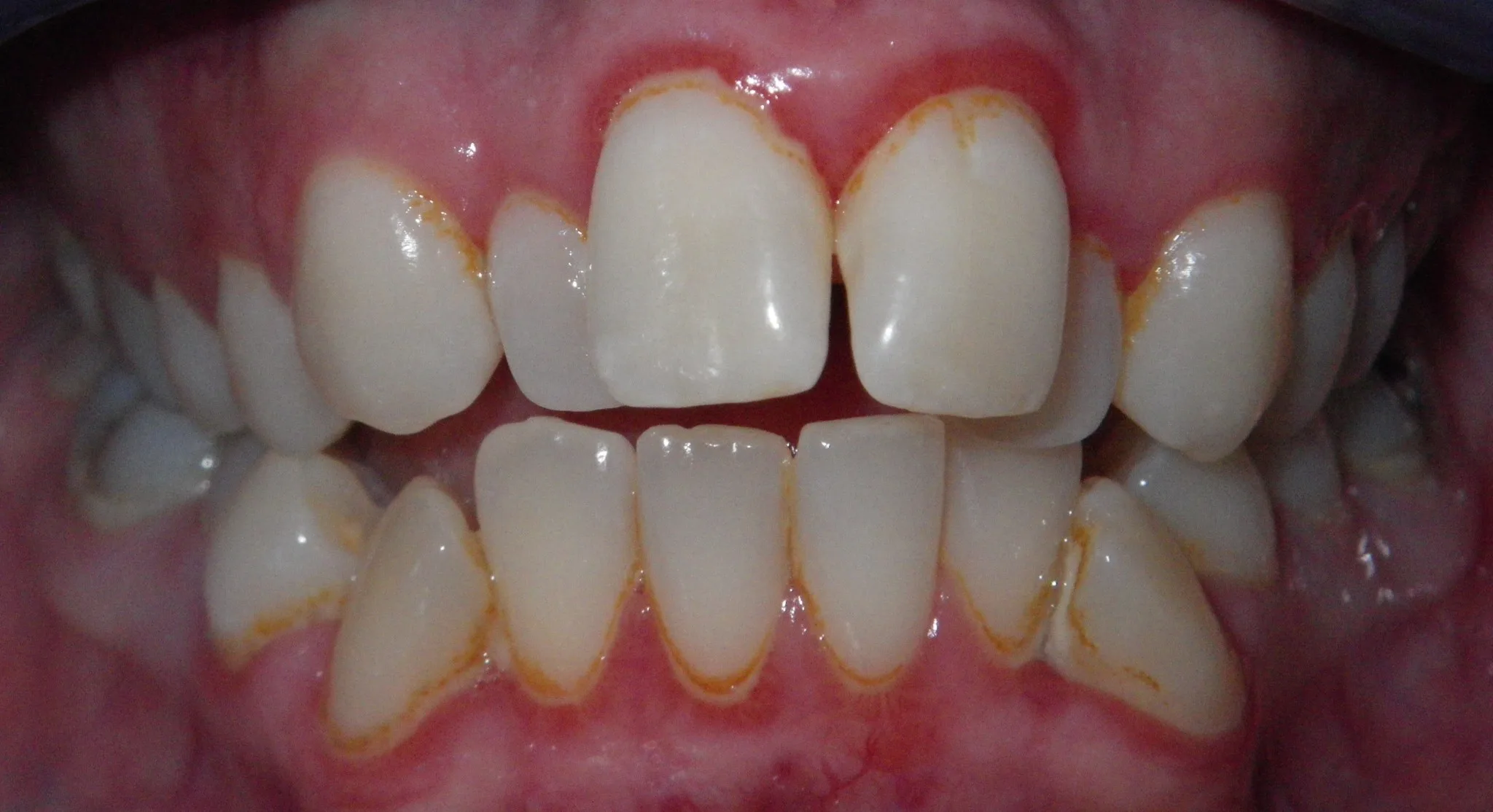
Neutroclusion: This is the most common type of malocclusion where the upper teeth is slightly in front of the lower teeth, just like it should be, but the teeth are not properly placed with respect to each other. Common problems related to this kind of malocclusion include spacing, anterior crowding and midline diastema.

Retrognathism or overjet: This kind of malocclusion occurs when the upper teeth are placed in front of the lower teeth by an abnormally large gap. In this case, there can be two variations. The first variation is that the molars at the back of your mouth are well aligned but the front teeth protrude outwards. The second variation is that the upper molars inside the mouth jut outwards greater than the lower molars. This kind of malocclusion is also called overjet. Some also refer to it as overbite, but that is the wrong term. In fact, let’s take a quick look at what overbite is and how it differs from overjet.

Overbite: Overbite is a minor form of malocclusion where only the upper front incisors (the two teeth in front) are placed at an abnormally large distance ahead of the lower front incisors. The difference between overbite and overjet is that the former only deals with 4 teeth, while the latter is a type of malocclusion that deals with the entire jawline.

Prognathism: This kind of malocclusion occurs when the lower teeth jut forward rather than the upper teeth. It is called prognathism, or negative overjet, and generally happens when the lower jaw is larger or protrudes beyond the upper jaw.

Malocclusion can have serious social consequences, especially for small children and teenagers. It is best to get dental braces for them since bones are tender at a young age and malocclusions can be easily corrected in a shorter span of time if treatment is initiated early.


Related Articles

Maloclussion
Man clenching his teeth with a strained expression

Malocclusion Of Teeth: Symptoms And Causes

Occlusion is defined as the way teeth are aligned and the way upper and lower teeth fit together to give you a perfect bite. Malocclusion of teeth occurs when due to some...
Smiling dentist with long dark hair in navy scrubs
Dr. Azy Nasiry
Dentist
Maloclussion
Close-up of crowded lower front teeth with red, swollen gums

How Malocclusion can Lead to Periodontal Disease

Malocclusion is a dental condition where the teeth are misaligned in such a way that the upper and lower jaws do not close properly. This condition can affect regular act...
Smiling dentist with long dark hair in navy scrubs
Dr. Azy Nasiry
Dentist
Maloclussion
Woman covering her mouth with her hand to hide her teeth

What is “Crowding”?

Crowding of teeth occurs, as the name suggest, is a dental condition where the teeth seem cramped together, which changes the position of teeth. Some teeth are pushed bac...
Smiling dentist with long dark hair in navy scrubs
Dr. Azy Nasiry
Dentist
Areas served:
Koreatown | Wilshire Center | Mid-Wilshire | Downtown Los Angeles | Westlake | Pico-Union | Hancock Park | East Hollywood | Larchmont | Hollywood | Los Feliz | Silver Lake | Echo Park | Miracle Mile | Beverly Grove | Beverly Hills
Subscribe
© 2026 LA Dental Clinic. All Rights Reserved

Be the first to know.

Special offers and exclusive savings from LA Dental Clinic, sent to you before anyone else hears about them.

By submitting this form, you agree to receive recurring automated marketing text messages from LA Dental Clinic at the number provided. Consent is not a condition of any purchase. Msg & data rates may apply. Msg frequency varies. Reply STOP to opt out or HELP for help. See our Privacy Policy.

Let's Work Together

Are you an influencer or content creator? We'd love to collaborate. Share your details below and our team will be in touch.
Social Platforms*
Are you based in LA?*
Dr. Azy Nasiry speaking with a patient on a video call during a virtual dental consultation

How Would You Like To Book Your Consultation?

We make it easy to get started. LA Dental Clinic offers both virtual and in-person consultations to fit your schedule. Please select your preferred option below.
Two dentists chatting on a gray sofa for the Smile Sisters podcast

Choose A Platform

Each week, Dr. Arezoo and Dr. Azy answer the questions patients ask most, covering everything from root canals and dental implants to the realities of a smile makeover and what it actually takes to get one right. More than forty episodes since 2024, available on Apple Podcasts, Spotify, and YouTube Music.