Implants

Causes of Implant Failure & When to Replace

After your implants are installed, the last thing you want to think about is going through the process once again. While studies indicate the rate of implant failures to be very low, and the likelihood of an issue occurring is low, it does happen and it’s important that you’re prepared should the problem arise. A… Continue Reading Causes of Implant Failure & When to Replace

Smiling dentist with long dark hair in navy scrubs
Dr. Azy Nasiry
Dentist
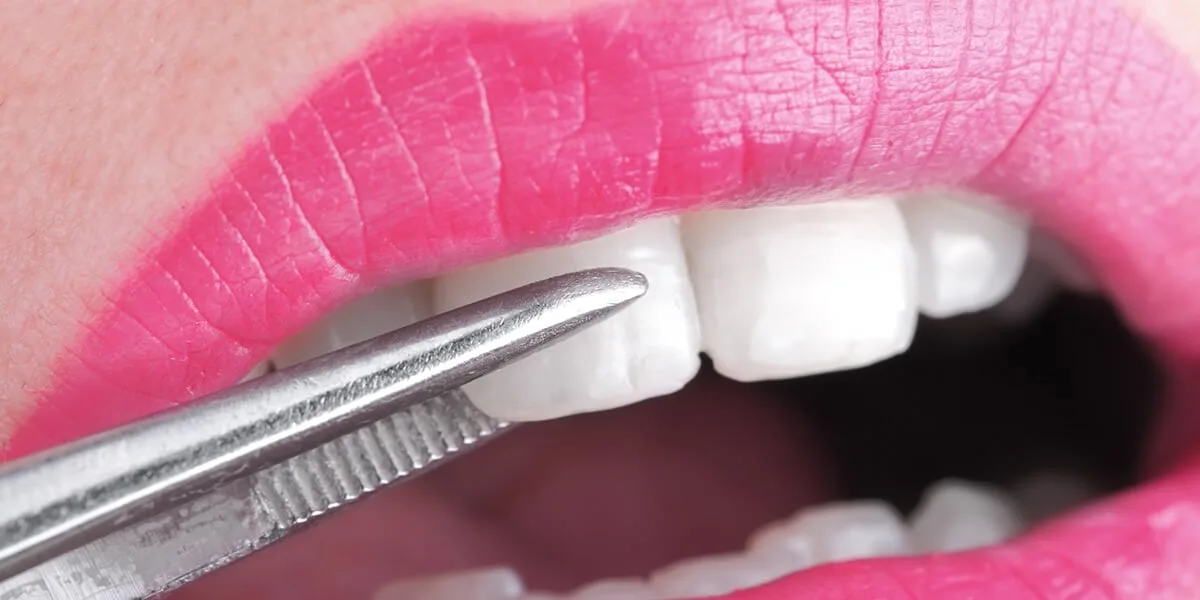
Dental tweezers reaching toward a woman's front teeth
Smiling dentist with long dark hair in navy scrubs
Dr. Azy Nasiry
Dentist
Dr. Azy Nasiry is a cosmetic dentist at LA Dental Clinic in Los Angeles and a UCLA faculty member who teaches advanced cosmetic dentistry to practising dentists. She holds a Biomimetic Mastership from the Alleman Center, a certification held by only a small number of dentists in the United States, and developed the layered composite edge bonding technique the practice is known for. She has been treating patients in Los Angeles since 2008 and co-hosts the Smile Sisters Podcast.
Share Article:
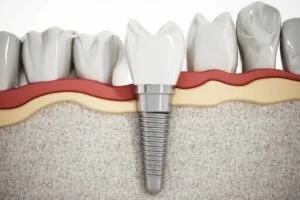
After your implants are installed, the last thing you want to think about is going through the process once again. While studies indicate the rate of implant failures to be very low, and the likelihood of an issue occurring is low, it does happen and it’s important that you’re prepared should the problem arise. A replacement dental implant’s most frequently required if an implant directly fails after installation, but some problems can happen like gum tissue around the implant degenerating or the implant breaking off. Implant failure has nothing to do with the quality of the installation, but with the right steps taken by both you and your implant specialist, you can ensure the next implant procedure is a successful one. Cross-section illustration of a dental implant and crown set in the jawbone between natural teeth  

Determine Reason for Failure

When you have a failed dental implant, the most important step you can take is to determine why the implant failed. With the assistance of your implant specialist, finding out the cause is often easily done, but familiarizing yourself with some of the common causes of failure is important. Here are the 5 most common causes of implant failures.
  1. Insufficient Bone Grafting: While bone grafting isn’t always needed, when it is required, proper bone grafting is essential. Each patient is unique and in rare situations, the standard amount of bone grafting may not be enough for their implant needs. Bone grafting creates the ridge needed below the gum to support the implant, and without enough support, the implant can break away or become loose.
  2. Infection: Even with a perfect procedure and ideal at-home care, an infection can still take place. An infection early on after the implant is placed will cause healing problems with the gum, bone, and implant. In some cases, an early infection can be remedied, but in some cases, the implant will need to be removed and replaced once healing occurs. In the long term, an infection can occur in the implant area in situations such as a lack of proper care. The implant area needs special attention and must be cared for regularly like your natural teeth. One type of infection that can occur up to years after your dental implant is placed is Peri-implants, which develop in the same manner as periodontitis. Peri-implants are more likely to occur in patients who suffered from tooth loss due to periodontitis. Early detection is the key to success, but in some cases, the implant will need to be removed and replacement may not be an option.
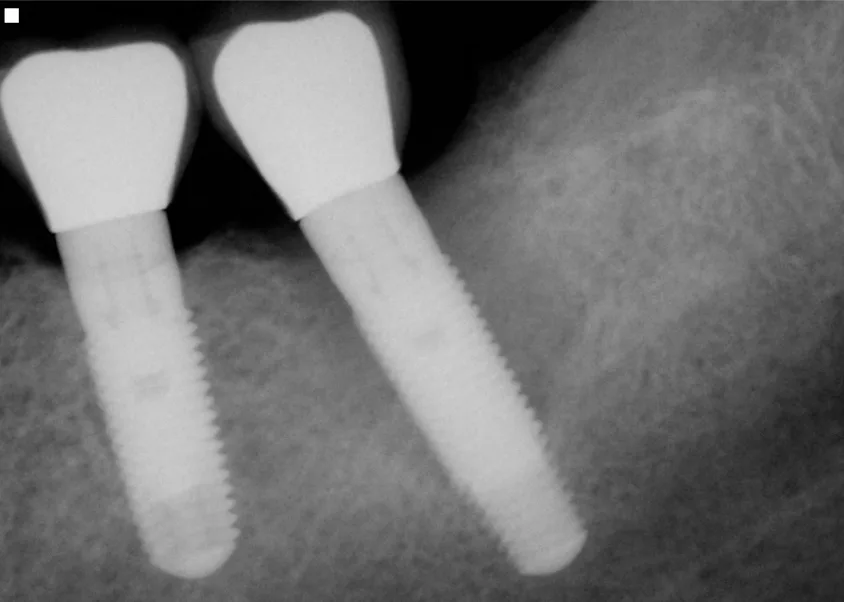
X-ray of two dental implant posts topped with crowns in the lower jaw 3.Cement irritation: Crestal cauterization of bone can occur when dental cement breaks away from the implant site and causes prolonged irritation to the bone. When the cement causes irritation that’s prolonged and excessive, it will result in bone loss that may not become apparent until it’s excessive. Loss of bone will result in the implant becoming loose or falling out. Generally, bone loss from cement displacement will occur within 1-2 years, but in some cases, it’ll take longer to appear.
  1. Trauma overload: Trauma to the implant area, such as high-implant from a car accident, or even a serious case of bruxism (teeth grinding or clenching) can result in the loss of an implant or several implants. In most cases, issues like bruxism are evaluated before moving forward with implants, but some people can develop bruxism as a result of the changes within their mouth from the implants and may be prescribed a mouth guard as part of their treatment plan.
  2. Inadequate implant stabilization: While your implants are installed, they’re aligned and stabilized for successful healing. In certain cases, the implant might become unstable throughout the healing process, which will eventually allow the implant to loosen & possibly come out.

Assess the Damage

When a problem occurs with your implants, it’s important that you visit an expert right away. Some people avoid immediate care because they lack the financial resources at the time or experience a similar issue, but there’re many solutions available to make the care you need attainable, and the earlier the implant issue is addressed, the more likely a solution will be. There are generally 3 outcomes seen with implant failure. As mentioned, the earlier you seek care, the better your chances are for success, but this isn’t always the case. In rare cases, a failed implant may need removal without the option for replacement. 1. Immediate replacement: In certain cases, a failed implant could be replaced right away, without any additional steps needed. An immediate replacement’s possible when there’s not any bone loss present & the jaw is not damaged from the failed implant. Immediately upon removal, a new implant that’s larger in diameter is used to create a secure hold. Depending on the health of the socket and its ability to hold threads and groves, replacement surgery can occur anywhere from immediately after removal to 1-year. Sufficient bone must be present to support the new implant, and an implant that’s larger in diameter must be used to create a secure hold.  2.Future replacement: If replacement is possible, but bone loss or jaw damage is present, healing of the socket will need to occur before the replacement can be made. The length of time needed for healing is dependent upon the amount of bone loss present. For moderate bone loss, the healing period ranges from around 3-6 months. For severe bone loss, 1-year is generally required before the new implant surgery. If an infection is present, antibiotics and additional medications needed to heal the area are used during the healing period. Smiling man in a dental chair checking his teeth in a hand mirror 3.Removal without replacement: While the most unlikely to occur, in some cases, an implant cannot be replaced, but instead an alternative replacement method such as a bridge, must be used to replace the missing tooth or teeth. If the implant fails since it couldn’t bone with the bone, also referred to as integrate, removal is simple & slightly invasive, but a new implant cannot be used as it’ll yield the same results. If Peri-implantitis is severe, implant replacement is not possible for two reasons. For one, Peri-implantitis generally causes severe bone loss that cannot be healed in the long term. Secondly, patients with Peri-implantitis are likely to experience the same issues with any implants they have installed in the future, thus replacement would be pointless.
Conclusion

Implant failure is not likely, and many more people experience success than failure, but preparation is key. Back teeth, including molars and second molars, are more likely to experience failure and it’s seen in 5-15% of patients. The back of the mouth is harder to work within, especially the upper jaw, which makes stabilization and perfect placement difficult unless you use a highly skilled dental expert like Dr. Nasiry. The success of your dental implants is largely due to installation skill, quality of the implants, the quantity of the jaw bone, the health of the bone, and your at-home oral care.

Related Articles

Implants
Dental tool placing a single new tooth onto a model of the upper teeth, beside the title A Step-By-Step Look At The Single Tooth Implant Procedure

A Step-By-Step Look At The Single Tooth Implant Procedure

Discussing a single tooth implant can uncover many questions. This procedure replaces a missing tooth, blending seamlessly with your natural teeth. The key to a successfu...
Smiling dentist with long dark hair in navy scrubs
Dr. Azy Nasiry
Dentist
Implants
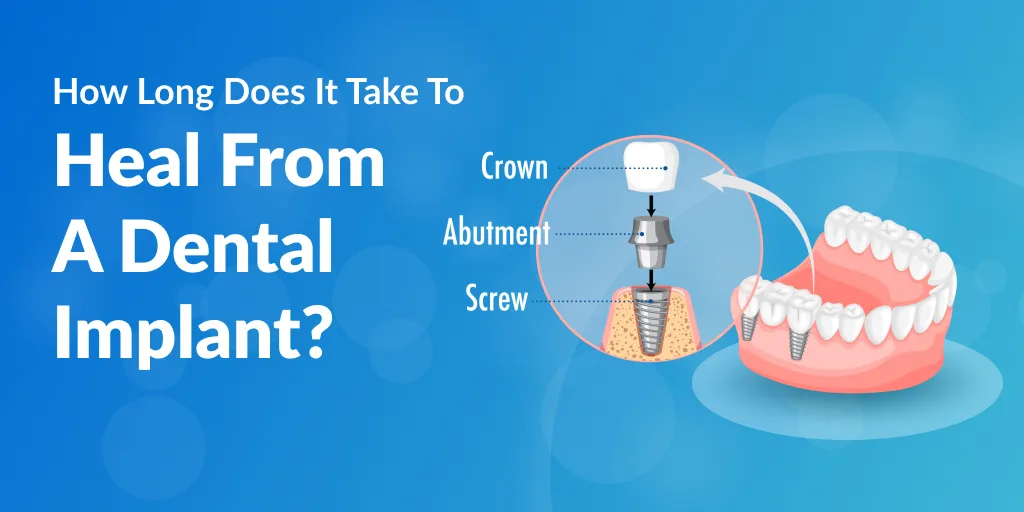
Diagram of a dental implant's three parts, labelled crown, abutment and screw, beside the title How Long Does It Take To Heal From A Dental Implant?

How Long Does It Take To Heal From A Dental Implant?

Dental health is a strong factor that can impact overall well-being. Ensuring good dental hygiene practices is not just about owning a shiny smile but, ultimately, securi...
Smiling dentist with long dark hair in navy scrubs
Dr. Azy Nasiry
Dentist
Implants
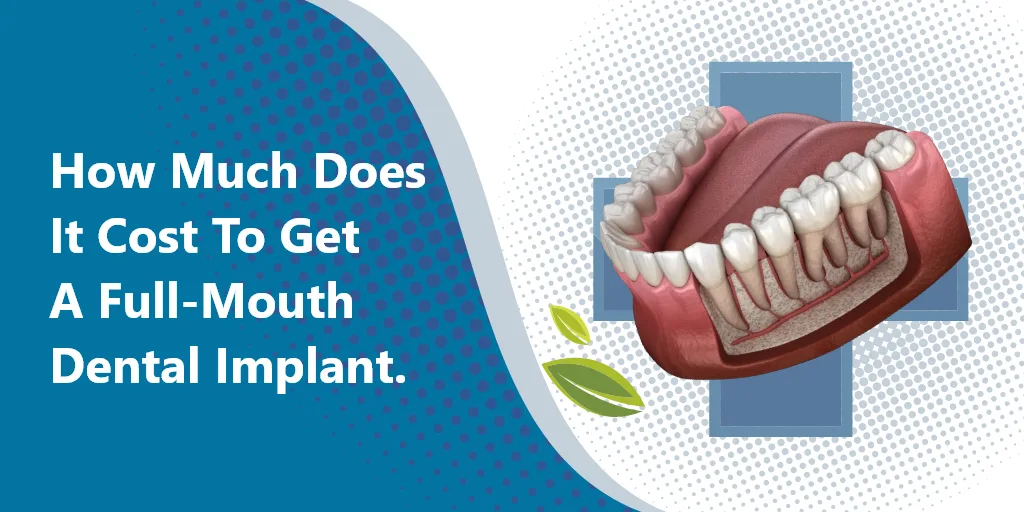
Model of a full set of lower teeth held in place by implants, beside the title How Much Does It Cost To Get A Full-Mouth Dental Implant?

How Much Does It Cost To Get A Full-Mouth Dental Implant?

Dental health is a crucial aspect of overall well-being, and with advancements in dental technology, full-mouth dental implants have become a popular solution for many. W...
Smiling dentist with long dark hair in navy scrubs
Dr. Azy Nasiry
Dentist
Implants
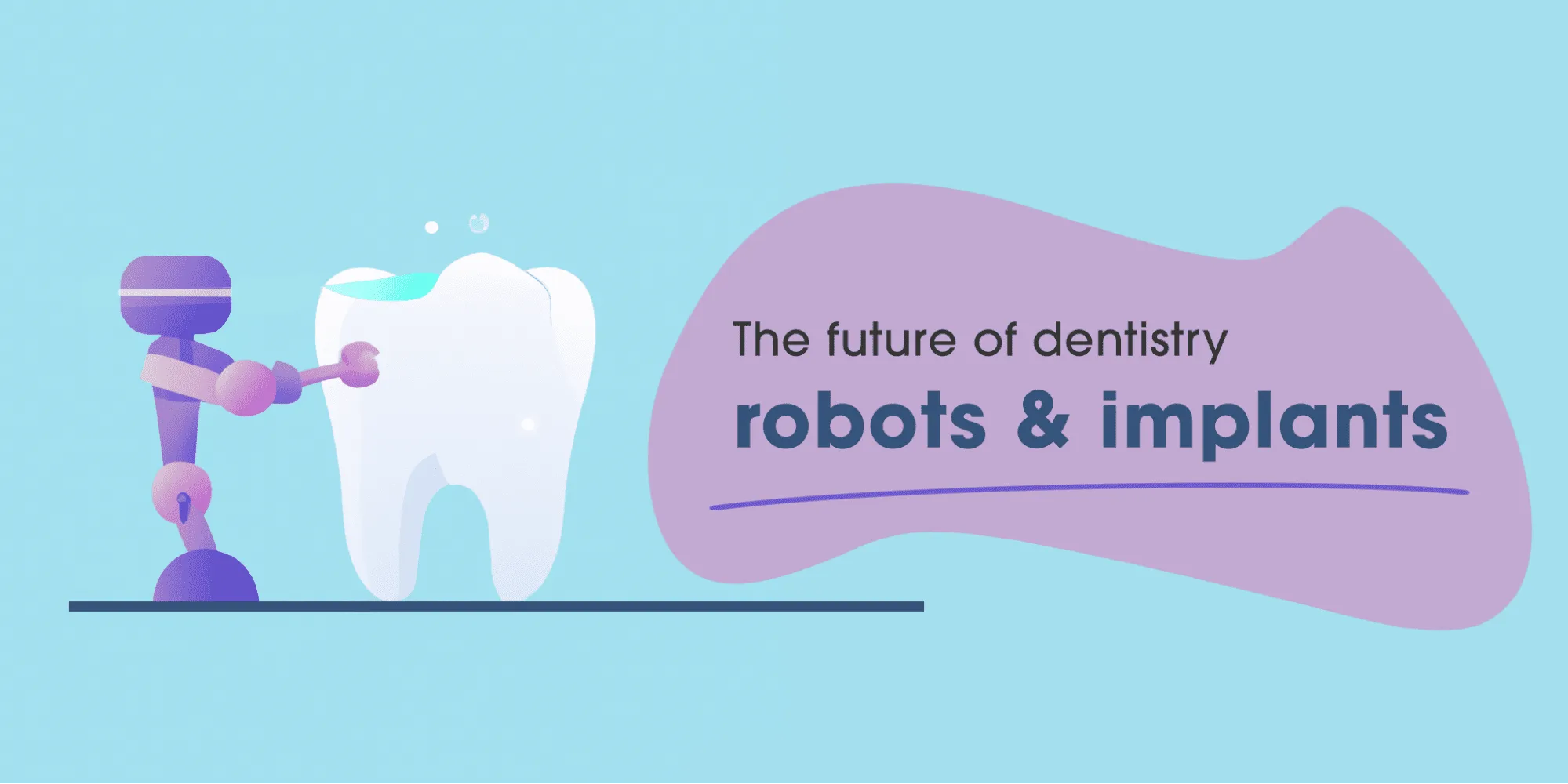
Illustration of a robotic arm beside a tooth with the title The future of dentistry, robots and implants

The Future Of Dentistry: Robots Assist In Dental Implants Procedure

You’ve heard of self-driving cars and maybe even self-flying drones. But how about dental implants that also drive themselves into a patient’s jawbone? Here is the newest...
Smiling dentist with long dark hair in navy scrubs
Dr. Azy Nasiry
Dentist
Areas served:
Koreatown | Wilshire Center | Mid-Wilshire | Downtown Los Angeles | Westlake | Pico-Union | Hancock Park | East Hollywood | Larchmont | Hollywood | Los Feliz | Silver Lake | Echo Park | Miracle Mile | Beverly Grove | Beverly Hills
Subscribe
© 2026 LA Dental Clinic. All Rights Reserved

Be the first to know.

Special offers and exclusive savings from LA Dental Clinic, sent to you before anyone else hears about them.

By submitting this form, you agree to receive recurring automated marketing text messages from LA Dental Clinic at the number provided. Consent is not a condition of any purchase. Msg & data rates may apply. Msg frequency varies. Reply STOP to opt out or HELP for help. See our Privacy Policy.

Let's Work Together

Are you an influencer or content creator? We'd love to collaborate. Share your details below and our team will be in touch.
Social Platforms*
Are you based in LA?*
Dr. Azy Nasiry speaking with a patient on a video call during a virtual dental consultation

How Would You Like To Book Your Consultation?

We make it easy to get started. LA Dental Clinic offers both virtual and in-person consultations to fit your schedule. Please select your preferred option below.
Two dentists chatting on a gray sofa for the Smile Sisters podcast

Choose A Platform

Each week, Dr. Arezoo and Dr. Azy answer the questions patients ask most, covering everything from root canals and dental implants to the realities of a smile makeover and what it actually takes to get one right. More than forty episodes since 2024, available on Apple Podcasts, Spotify, and YouTube Music.