Dentistry Tips

What are the First Signs of Oral Cancer?

Oral cancer is a disease that affects over 53,000 Americans each year. It is prevalent throughout the world and it is particularly dangerous due to the fact that the first signs of oral cancer are often missed. Oral cancer can be prevented, and even treated when it is detected early. However, all too often, patients… Continue Reading What are the First Signs of Oral Cancer?

Smiling dentist with long dark hair in navy scrubs
Dr. Azy Nasiry
Dentist
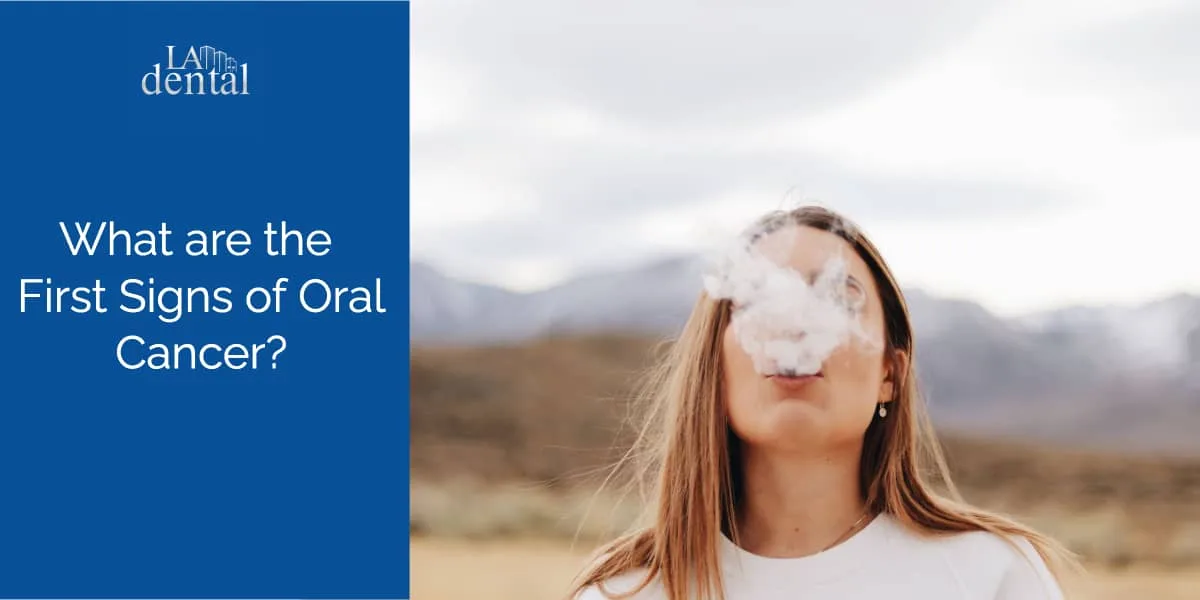
Woman exhaling smoke outdoors beside the title What are the First Signs of Oral Cancer
Smiling dentist with long dark hair in navy scrubs
Dr. Azy Nasiry
Dentist
Dr. Azy Nasiry is a cosmetic dentist at LA Dental Clinic in Los Angeles and a UCLA faculty member who teaches advanced cosmetic dentistry to practising dentists. She holds a Biomimetic Mastership from the Alleman Center, a certification held by only a small number of dentists in the United States, and developed the layered composite edge bonding technique the practice is known for. She has been treating patients in Los Angeles since 2008 and co-hosts the Smile Sisters Podcast.
Share Article:
Oral cancer is a disease that affects over 53,000 Americans each year. It is prevalent throughout the world and it is particularly dangerous due to the fact that the first signs of oral cancer are often missed. Oral cancer can be prevented, and even treated when it is detected early. However, all too often, patients miss the early warning signs of this disease.  Oral cancer can be subtle, and the best way to prevent and catch this disease early is to visit your dentist for routine oral cancer screenings. There are several first signs and symptoms of this disease which you should report to your dentist immediately.

What is Oral Cancer 

Oral cancer forms in and around a patient’s mouth, tongue gums or throat. This disease can be treated when discovered early, however, the death rate for oral cancer is high, not because it is particularly aggressive, but because it is often found too late in patients. Most cases of oral cancer start with flat, smooth cells called squamous cells.  These cells will form patches in your mouth which can vary in appearance and are often hard to detect with an untrained eye. Oral cancer can spread quickly and most often affects the lymph nodes in a patient’s neck. Once it has spread it is much more difficult to treat. Anyone can get oral cancer, however, there are certain factors that are more likely to cause oral cancer in patients. 

What Causes Oral Cancer? 

There are many different causes of oral cancer. Causes can be due to a patient’s environment, exposure to certain chemicals (such as smoking) or genetics.  Oral cancer, like many cancers, is caused by a change in your cells, from regular cells to harmful tumours and squamous cells. The World Health Organization notes that there are many different things that can cause these cellular changes. These include physical factors such as UV rays, biological factors such as infections or genetic predisposition and chemical factors such as tobacco use. The ageing process can also cause cellular changes that can leave seniors more susceptible to certain cancers.  Oral cancer can arise from any of the physical, biological or chemical factors, however, it most often arises from chemical factors caused by smoking or chewing tobacco. Oral cancer can also occur after a traumatic injury to the mouth, or from biological factors such as chronic infections or viruses. Certain strains of HPV are quickly becoming one of the most common causes of oral cancer. 

First Signs and Symptoms of Oral Cancer

The signs and symptoms of oral cancer can be hard to identify. Unfortunately in some cases of oral cancer caused by HPV, there are few to no symptoms at all. When you know what to look for, you have a better chance of detecting oral cancer early and effectively preventing it. Oral cancer is often identified late because patients don’t know the symptoms to look out for. It’s important to be aware of anything that seems abnormal in your mouth. If you notice any pain or any change in tissue texture, it’s a good idea to visit your dentist for an oral cancer screening. Your dentist will look for the following signs and symptoms:
  1. A sore in the mouth that does not go away or heal 
  2. Rough skin texture in the mouth, on the inside of your cheeks or gums 
  3. A mouth sore that bleeds frequently 
  4. Abnormal swelling in and around the mouth 
  5. Any persistent pain in the mouth or tongue 
  6. White or bright red patches on the skin inside your mouth 
  7. A persistent sore throat 
  8. Swollen lymph nodes in the neck 
The Mayo Clinic has a full list of oral cancer symptoms, with images to help you identify additional abnormalities in your mouth.

Oral Cancer Screenings 

Oral cancer screenings are one of the best ways to detect signs and symptoms of oral cancer early on. Early detection is one of the biggest factors in prevention and successful treatment. As mentioned by the World Health Organization “Between 30–50% of cancers can currently be prevented by avoiding risk factors and implementing existing evidence-based prevention strategies.”(WHO)  Your oral cancer screening is a quick process that generally will take no longer than 20 minutes. It can prevent years of illness. During an oral cancer screening, your dentist will carefully examine your teeth, gums and throat. They will also feel the lymph nodes in and around your neck. Your dentist is looking for the classic signs of this disease. If there is an area of concern, your dentist may collect a small tissue sample to send off to the lab for further analysis.

Who Is At Risk for Oral Cancer?  

Oral cancer can affect anyone regardless of age, however, some are more at risk than others. For reasons not entirely known, oral cancer occurs more frequently in men than women. And those (male and female) over the age of 50 are also more at risk. Oral cancer has been linked to a person’s genetics, which means that if a family member has been affected by the disease, you could be more at risk.  Those who neglect oral health care can be more at risk for oral cancer as well. Infrequent dental appointments and poor oral hygiene can irritate the cells in your mouth and contribute to the disease. Smokers and those who use chewing tobacco are also a high-risk group due to the chemical makeup of these carcinogens. 

Ways to Prevent Oral Cancer

Quit Smoking 

Cigarettes contain carcinogens which are chemicals that have been known to negatively affect the cells in our bodies and cause various types of cancer. There are thousands of chemicals that pass through the mouth, throat, and lungs with every inhale and exhale of smoke, leading to an increased risk of cancer in those areas of the body. If you are a smoker, consider switching to nicotine patches and quitting in order to reduce your risk of cancer development.

Avoid Chewing Tobacco 

Chewing tobacco contains a variety of harmful chemicals, just like cigarettes do. Chewing tobacco is linked to cases of mouth cancer and there is a heavy correlation between the two. Chewing tobacco directly exposes your mouth tissue to these harmful carcinogenic chemicals, which irritates and damages the cells. 

Stop Drinking 

Regularly drinking a lot of alcohol over long periods of time can cause oral health problems as well as oral cancer. Alcohol is carcinogenic and can contribute to cancer forming cells, which puts heavy drinkers more at risk due to their length of exposure. Prevent oral cancer by limiting alcohol consumption.

Take Care of your Oral Health

Those with poor oral health care routines are more susceptible to infection, oral irritation and ultimately, oral cancer. Visit your dentist frequently (at least every 6 months) and brush and floss your teeth daily in order to maintain adequate oral hygiene.  This includes treating any oral infections immediately. Gum infections, cavities, impacted wisdom teeth and abscesses can all cause inflammation and irritation to the oral tissues. Over time, if the infection is not treated or if it’s recurring, the once healthy cells in your mouth can change and become cancerous. Take care of your teeth and stay up to date with your dental appointments to catch problems early or prevent them altogether.

Prevent Injury or Trauma

Oral trauma can damage the cells in your mouth and cause them to mutate and become cancerous. Try to avoid unnecessary oral trauma and stay safe by avoiding potentially dangerous situations. For those who are more susceptible to oral trauma such as athletes in contact sports, wear the protective gear required such as helmets, masks and mouth guards in order to minimize risk. The cells in your mouth are sensitive and something as simple as blunt trauma to the mouth or jaw can cause cells to be disrupted.

Visit LA Dental Clinic 

At LA Dental Clinic, we are committed to your health and well being. Whether you have been experiencing symptoms of oral cancer or you simply want to get checked, it’s best to book an oral cancer screening with one of our trained professionals. Book a consultation, or call our clinic today at 213-385-9710 for oral cancer screenings in Los Angeles.

Related Articles

Dentistry Tips
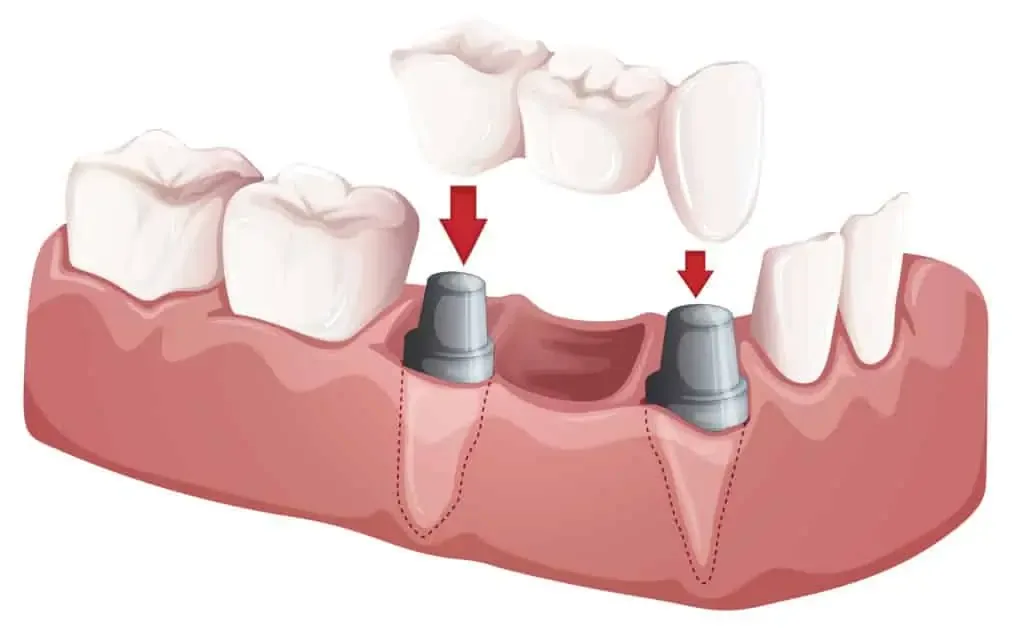
Illustration of a three-tooth bridge being lowered onto two posts in the gum

Dental Bridges in Los Angeles, CA

Missing teeth can have a terrible effect on both a patient’s personal confidence, and their oral health. It can be hard to chew, smile and even speak when you have lost a...
Smiling dentist with long dark hair in navy scrubs
Dr. Azy Nasiry
Dentist
Dentistry Tips
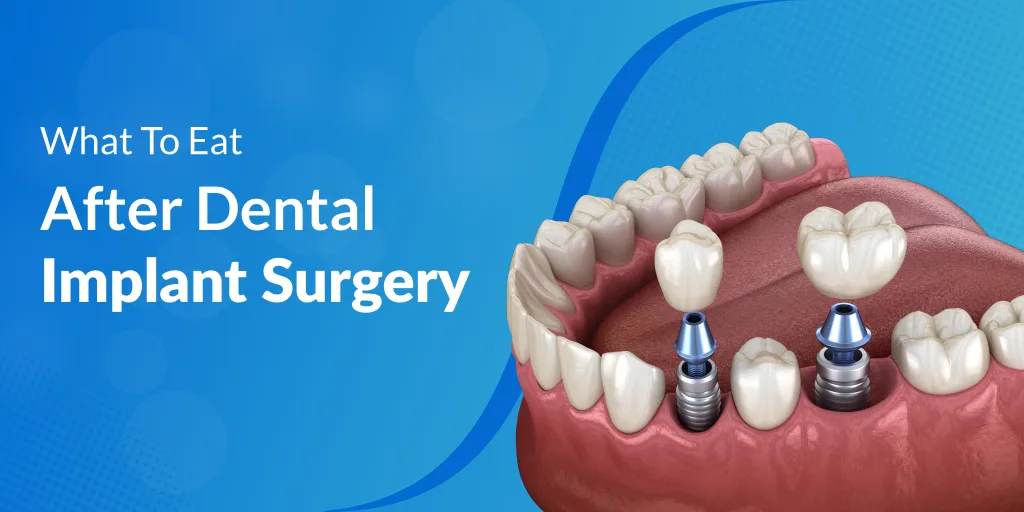
Dental model with implants beside the title What to Eat After Dental Implant Surgery

What To Eat After Dental Implant Surgery

Dental implant surgery is a significant step towards restoring your smile and oral health. It’s crucial to follow proper post-surgery care, including your diet, to ...
Smiling dentist with long dark hair in navy scrubs
Dr. Azy Nasiry
Dentist
Dentistry Tips
Smiling patient as a dentist holds a tooth shade guide to her teeth, beside the title 5 Types of Restorative Dental Treatments

5 Types of Restorative Dental Treatments

Restorative dentistry is a sector of the dental industry that is devoted to repairing, preserving or replacing damaged or missing teeth. Restorative dental treatments can...
Smiling dentist with long dark hair in navy scrubs
Dr. Azy Nasiry
Dentist
Dentistry Tips
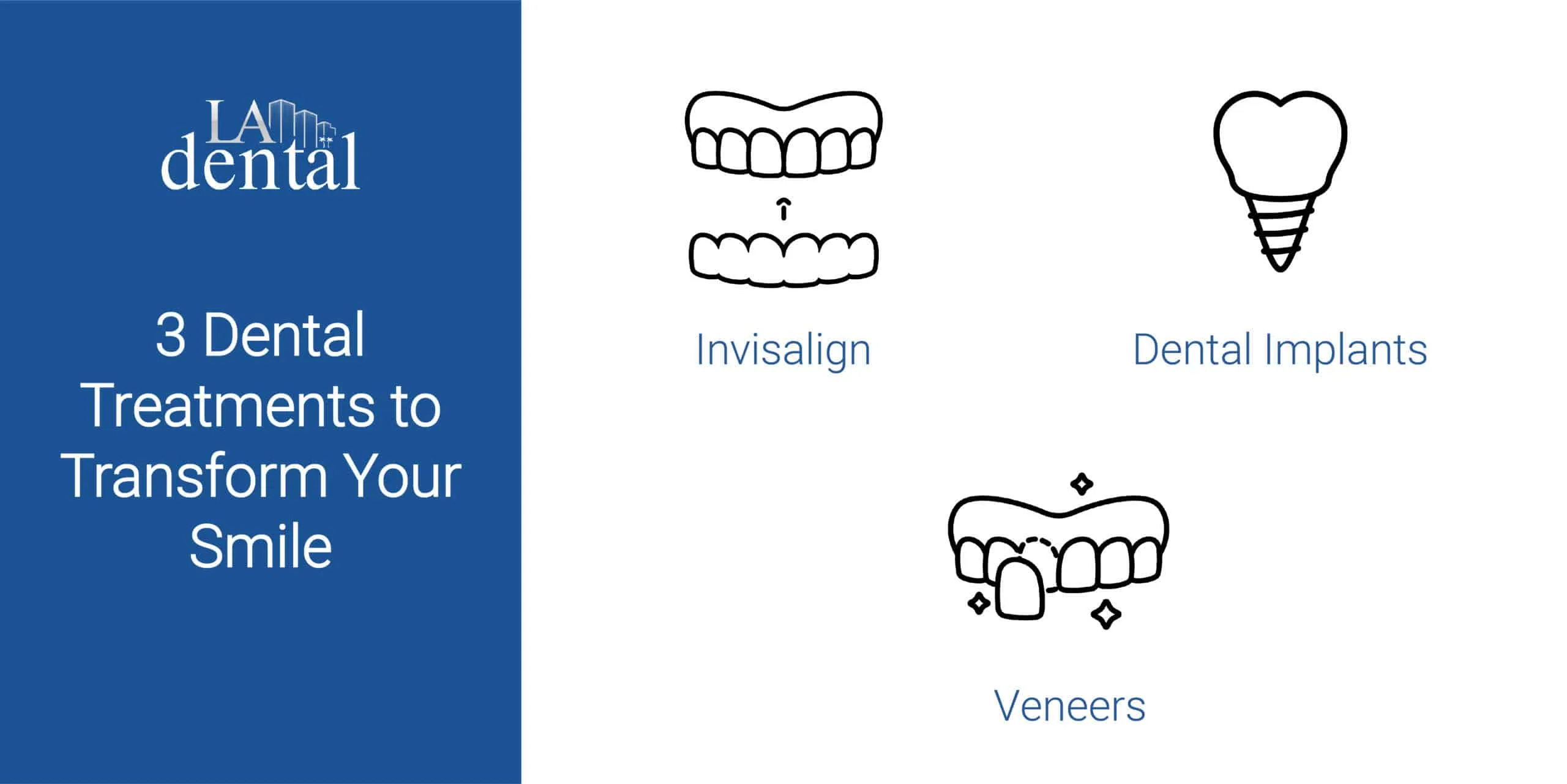
3 Dental Treatments to Transform Your Smile: Invisalign, dental implants and veneers

3 Dental Treatments to Transform your Smile

Your smile plays a major role in helping you look and feel your best. Smile imperfections can impact both your confidence, mental health, and physical health. They affect...
Smiling dentist with long dark hair in navy scrubs
Dr. Azy Nasiry
Dentist
Areas served:
Koreatown | Wilshire Center | Mid-Wilshire | Downtown Los Angeles | Westlake | Pico-Union | Hancock Park | East Hollywood | Larchmont | Hollywood | Los Feliz | Silver Lake | Echo Park | Miracle Mile | Beverly Grove | Beverly Hills
Subscribe
© 2026 LA Dental Clinic. All Rights Reserved

Be the first to know.

Special offers and exclusive savings from LA Dental Clinic, sent to you before anyone else hears about them.

By submitting this form, you agree to receive recurring automated marketing text messages from LA Dental Clinic at the number provided. Consent is not a condition of any purchase. Msg & data rates may apply. Msg frequency varies. Reply STOP to opt out or HELP for help. See our Privacy Policy.

Let's Work Together

Are you an influencer or content creator? We'd love to collaborate. Share your details below and our team will be in touch.
Social Platforms*
Are you based in LA?*
Dr. Azy Nasiry speaking with a patient on a video call during a virtual dental consultation

How Would You Like To Book Your Consultation?

We make it easy to get started. LA Dental Clinic offers both virtual and in-person consultations to fit your schedule. Please select your preferred option below.
Two dentists chatting on a gray sofa for the Smile Sisters podcast

Choose A Platform

Each week, Dr. Arezoo and Dr. Azy answer the questions patients ask most, covering everything from root canals and dental implants to the realities of a smile makeover and what it actually takes to get one right. More than forty episodes since 2024, available on Apple Podcasts, Spotify, and YouTube Music.