Most adults have four wisdom teeth or an “extra” set of molars behind their adult molars. For some adults, these teeth grow in regularly and pose no issues. For others,
wisdom teeth removal is practically a must-do if they want to avoid serious dental problems.
These may include:
- Overcrowded teeth
- Tooth impactation
- Infections (pericoronitis)
- Bad breath (halitosis)
- Pain (from infections)
- Crooked teeth (from overcrowding)
The third side effect on this list,
pericoronitis, has some serious health impacts that can affect the livelihood of the patient.
Pericoronitis, which comes from ancient Greek which literally means “inflammation from around the crown”, happens when the gum tissue around the crown of a tooth becomes infected with harmful bacteria. Symptoms that stem from this infection can mimic a common cold or give an “off-and-on” feeling of malaise.
How does pericoronitis happen?
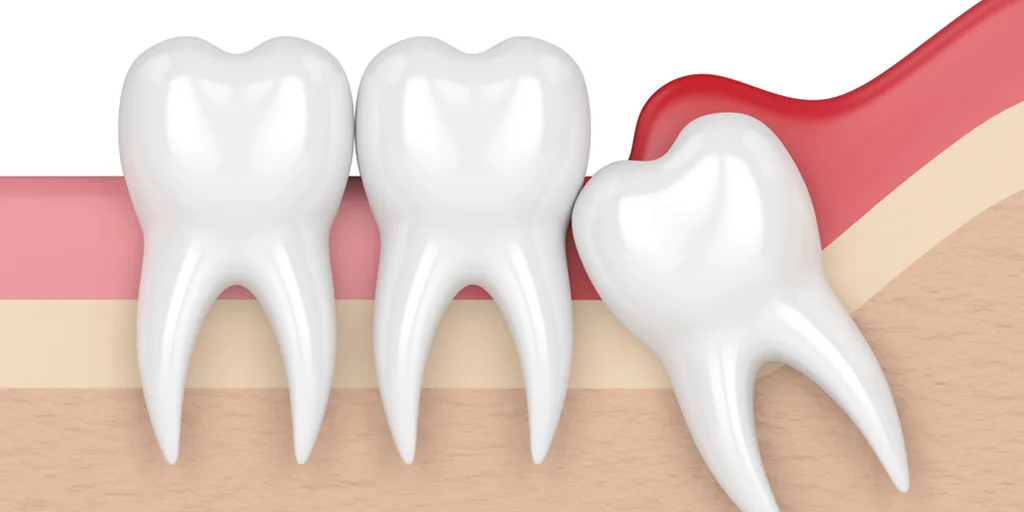
This condition can either occur once or show up regularly in the form of mild inflammation. It usually impacts the lower molars since it’s more common for these teeth to be covered with a flap of gum tissue from not being fully erupted. As a result, food gets trapped between the crown of the tooth and the gums, breeding bacteria and causing painful inflammation and infections.
Chronic pericoronitis involves a persistent and mild inflammation that is nearly impossible to get rid of. You may feel like the area around the tooth is never fully “normal”, yet it’s not bothersome enough to cause worry.
When pericoronitis is
acute, it happens once after an unusual circumstance like when you neglect to clean the tooth properly.
Acute infections can become serious, causing fevers, swelling, discomfort, pain, or an infection that can eventually go to your blood (sepsis). Infections can include pus and it can spread to other parts of your mouth if not addressed quickly.
Who’s most likely to get pericoronitis?
Anyone with wisdom teeth, especially those that aren’t fully erupted, is at risk. When gum tissue covers some of your molars, it makes a ripe environment for food to get trapped and to start breeding colonies of infectious bacteria.
Impacted teeth that are partially erupted are also ideal candidates for pericoronitis. These teeth are especially difficult to clean, even with the right tools and home care routine.
What are the symptoms?
Pericoronitis, aside from a toothache, can sometimes be confused with getting a cold or flu. Here are the common symptoms.
- Swelling gums
- Tenderness in gums
- Red gums
- Bad breath
- Pus
- A hard time opening jaw
- Swollen lymph nodes
- Fever
- Tiredness
- Malaise
- Difficulty swallowing
Treatment
Now that you know the risks and the unpleasant symptoms of this condition, how do you get well from pericoronitis?
If you have
mild pericoronitis, it’s possible to get better with some diligent home care. You can gently brush the affected area to loosen up the plaque and bacteria build up. You can also use a Waterpik to get the harder-to-reach debris. Gargling diluted hydrogen peroxide or warm salt water can also kill bacteria and soothe your gums.
Severe pericoronitis will require a tooth extraction. Your gums will be given local anesthesia and the tooth will be removed by your dentist or oral surgeon.
Also, any sign of infection will be cleaned out, but you’ll still be prescribed oral antibiotics like amoxicillin or erythromycin to make sure none of the infection can harm the rest of your body. On extreme occasions, the infection may require hospitalization and specialized care, but that’s if you left the condition alone for too long.
Recovery from tooth extraction
After your wisdom teeth are extracted, you should take some time to recover. To manage the pain, you’ll be prescribed Tylenol or a stronger pain medication if you had to get any incisions for removing impacted teeth.
During recovery, you shouldn’t drink anything out of a straw to prevent dry sockets. You should also stick to soft, easy to chew foods, or smoothies until your pain subsides.
Why we recommend wisdom tooth removal
Overall, impacted or partially erupted wisdom teeth are risk factors for your total health. Also, if you have ever experienced a chronic or acute episode of pericoronitis and recovered, don’t wait for things to get bad again. Your best line of treatment is prevention.
Removing your wisdom teeth will prevent any possible complications. Going by the old adage, “it’s better to be safe than sorry”, we highly recommend removing wisdom teeth in advance to prevent any serious complications that result from pericoronitis. Other benefits like giving your teeth more room in your mouth and improving your breath come from this operation.
If you’d like to know more about pericoronitis or any of our other dental services,
contact us.