Dentistry Tips

5 Signs You Grind Your Teeth

Many people wonder if they talk in their sleep, but did you know that it’s also possible to grind your teeth at night? Tooth grinding, which is also known as bruxism, is a common condition that involves the grinding, gnashing, or clenching of your teeth while sleeping. You can also grind your teeth while you’re… Continue Reading 5 Signs You Grind Your Teeth

Smiling dentist with long dark hair in navy scrubs
Dr. Azy Nasiry
Dentist
Graphic reading 5 Signs You Grind Your Teeth beside a close-up of a woman's smile
Smiling dentist with long dark hair in navy scrubs
Dr. Azy Nasiry
Dentist
Dr. Azy Nasiry is a cosmetic dentist at LA Dental Clinic in Los Angeles and a UCLA faculty member who teaches advanced cosmetic dentistry to practising dentists. She holds a Biomimetic Mastership from the Alleman Center, a certification held by only a small number of dentists in the United States, and developed the layered composite edge bonding technique the practice is known for. She has been treating patients in Los Angeles since 2008 and co-hosts the Smile Sisters Podcast.
Share Article:
Many people wonder if they talk in their sleep, but did you know that it’s also possible to grind your teeth at night? Tooth grinding, which is also known as bruxism, is a common condition that involves the grinding, gnashing, or clenching of your teeth while sleeping. You can also grind your teeth while you’re awake, but if you want to know if you do it in your sleep, here are 5 common signs. 1. Your Partner Hears You The easiest way to find out if you’re a nocturnal teeth grinder is to receive feedback from your better half. Does your partner complain about intermittent grinding sounds coming from you in the middle of the night? Bruxism can create sounds that can disturb your partner’s sleep. However, you should keep in mind that only severe cases of teeth grinding will produce noises loud enough to disturb people sleeping in the same room as you. Sometimes, mild to moderate cases can go undetected during the night, but you will experience other side effects that can give you clues. 2. You Feel Pain Grinding your teeth often results in painful side effects that occur in the head and jaw area. Here are some examples of what you can experience:
  • Soreness in your jaw, neck, or face
  • Sensitive teeth
  • Toothaches
  • Dull headaches that originate from your temples
  • Rawness from chewing the inside of your cheek
  • Earaches
If you’re experiencing isolated cases of these symptoms, they may be unrelated to tooth grinding. However, if you’re feeling a combination of these painful symptoms, the signs may be pointing to bruxism. However, the only way to truly know if you’re grinding your teeth is to get a qualified physician to examine your mouth and jaw. 3. Interrupted Sleep The act of tooth grinding can also wake you up, just like snoring can when it is loud enough. If you are waking up at night more often but you can’t figure out why grinding your teeth may be the cause. 4. Worn Down Teeth Tooth grinding can wear down the enamel and flatten your teeth. Extreme and prolonged cases of bruxism can also result in loose and chipped teeth that require dental interventions. 5. You Have TMJ Complications Severe tooth grinding can affect your temporomandibular joints (TMJs), which are located just in front of your ears. One tell-tale sign is hearing a “click” when you open or close your mouth. In severe cases, your TMJs may become inflamed and feel painful. It’s also possible to feel “full” around your ears or develop tinnitus, or ringing in your ears. How to Treat Bruxism If you think that you may be grinding your teeth at night, don’t worry: tooth grinding is treatable! There are both preventative measures you can take and practical medical advice you need to follow that can guide you on the road to recovery.
  • Reduce your stress – Increased levels of anxiety are linked to more tooth grinding. Try to take some time out for yourself daily to exercise, eat well, and practice self-care so that you can lower the feelings of stress and anxiety that cause you to grind your teeth.
  • Get a mouth guard – This is the next line of defense you should take against tooth grinding. Your dentist can give you a custom-made mouth guard that you can wear every night to prevent your teeth from wearing against each other.
  • Check your medications – Sometimes bruxism is a side effect to medications, especially psychiatric ones. Before you make any adjustments to your dosage or type of medications you take, you need to see your doctor.
  • Reduce your exposure to substances that promote tooth grinding – It’s possible to decrease your body’s urge to grind teeth by reducing your caffeine and alcohol intake. It’s also imperative that you quit any recreational drugs as they can promote tooth grinding.
Mouth Guards in Los Angeles If you would like a dentist to check your teeth for the common signs of tooth grinding, schedule an appointment today.

Related Articles

Dentistry Tips
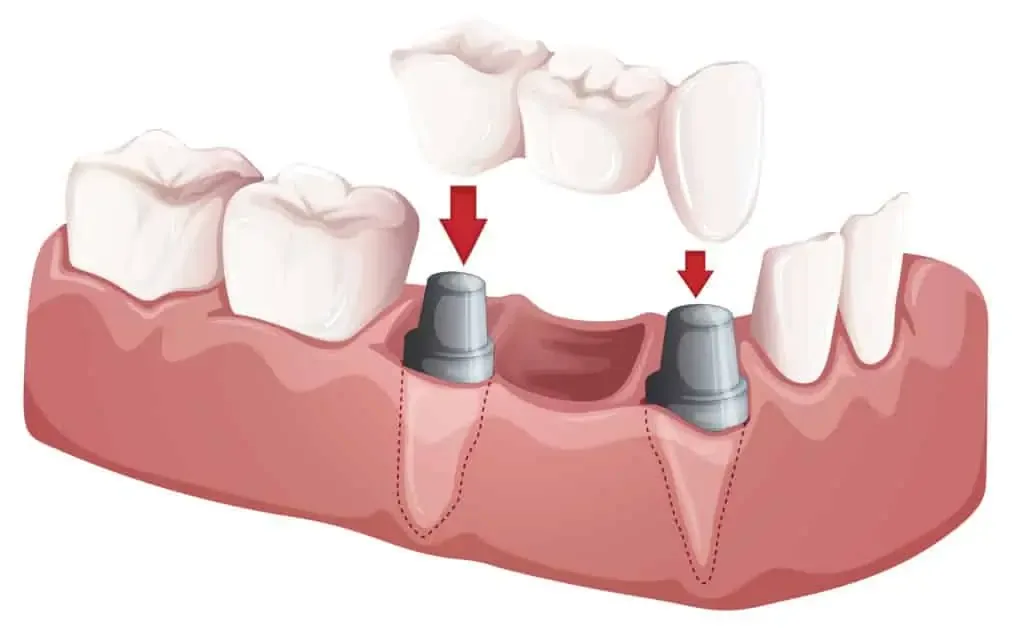
Illustration of a three-tooth bridge being lowered onto two posts in the gum

Dental Bridges in Los Angeles, CA

Missing teeth can have a terrible effect on both a patient’s personal confidence, and their oral health. It can be hard to chew, smile and even speak when you have lost a...
Smiling dentist with long dark hair in navy scrubs
Dr. Azy Nasiry
Dentist
Dentistry Tips
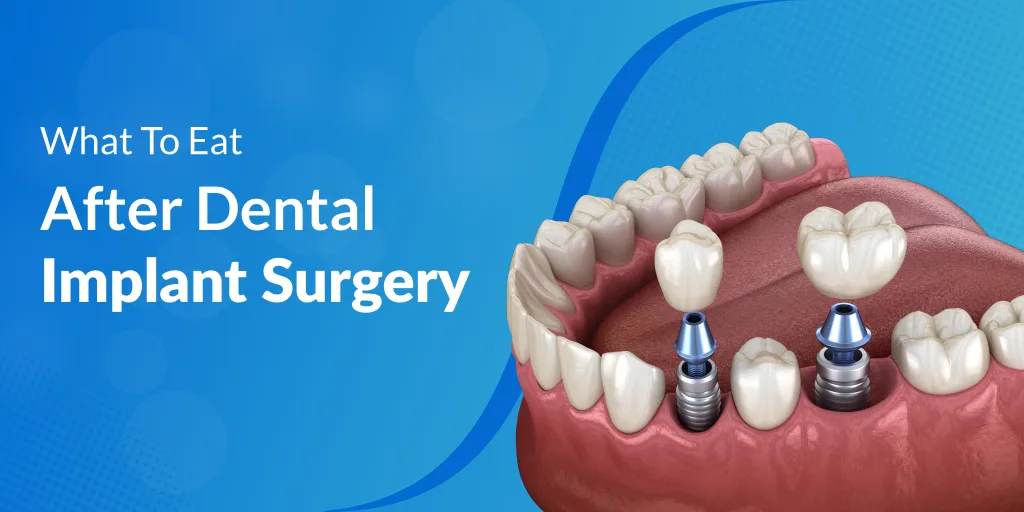
Dental model with implants beside the title What to Eat After Dental Implant Surgery

What To Eat After Dental Implant Surgery

Dental implant surgery is a significant step towards restoring your smile and oral health. It’s crucial to follow proper post-surgery care, including your diet, to ...
Smiling dentist with long dark hair in navy scrubs
Dr. Azy Nasiry
Dentist
Dentistry Tips
Smiling patient as a dentist holds a tooth shade guide to her teeth, beside the title 5 Types of Restorative Dental Treatments

5 Types of Restorative Dental Treatments

Restorative dentistry is a sector of the dental industry that is devoted to repairing, preserving or replacing damaged or missing teeth. Restorative dental treatments can...
Smiling dentist with long dark hair in navy scrubs
Dr. Azy Nasiry
Dentist
Dentistry Tips
Woman exhaling smoke outdoors beside the title What are the First Signs of Oral Cancer

What are the First Signs of Oral Cancer?

Oral cancer is a disease that affects over 53,000 Americans each year. It is prevalent throughout the world and it is particularly dangerous due to the fact that the firs...
Smiling dentist with long dark hair in navy scrubs
Dr. Azy Nasiry
Dentist
Areas served:
Koreatown | Wilshire Center | Mid-Wilshire | Downtown Los Angeles | Westlake | Pico-Union | Hancock Park | East Hollywood | Larchmont | Hollywood | Los Feliz | Silver Lake | Echo Park | Miracle Mile | Beverly Grove | Beverly Hills
Subscribe
© 2026 LA Dental Clinic. All Rights Reserved

Be the first to know.

Special offers and exclusive savings from LA Dental Clinic, sent to you before anyone else hears about them.

By submitting this form, you agree to receive recurring automated marketing text messages from LA Dental Clinic at the number provided. Consent is not a condition of any purchase. Msg & data rates may apply. Msg frequency varies. Reply STOP to opt out or HELP for help. See our Privacy Policy.

Let's Work Together

Are you an influencer or content creator? We'd love to collaborate. Share your details below and our team will be in touch.
Social Platforms*
Are you based in LA?*
Dr. Azy Nasiry speaking with a patient on a video call during a virtual dental consultation

How Would You Like To Book Your Consultation?

We make it easy to get started. LA Dental Clinic offers both virtual and in-person consultations to fit your schedule. Please select your preferred option below.
Two dentists chatting on a gray sofa for the Smile Sisters podcast

Choose A Platform

Each week, Dr. Arezoo and Dr. Azy answer the questions patients ask most, covering everything from root canals and dental implants to the realities of a smile makeover and what it actually takes to get one right. More than forty episodes since 2024, available on Apple Podcasts, Spotify, and YouTube Music.